A sump pump is one of the most important systems protecting your home from basement flooding. Yet many homeowners install a sump pump and rarely think about it again. The reality is that sump pumps can fail, and when they do, it often happens during heavy rain or groundwater buildup—when you need them most.
If you never test your sump pump, you could be risking water damage, mold growth, and expensive repairs. Understanding the potential problems can help homeowners take simple steps to protect their homes.
Sump pumps are designed to automatically remove water that collects around your home’s foundation. Over time, however, components like the motor, float switch, or discharge line can develop problems.
Without routine testing, these issues may go unnoticed until the sump pit fills with water and the pump fails to turn on.
Regular testing helps ensure the system activates properly and moves water away from the home as intended.
One of the biggest risks of not testing your sump pump is sudden failure. Mechanical parts can wear out, electrical connections can fail, and debris can clog the system.
When this happens during a heavy rainstorm, groundwater can quickly build up around your foundation. If the pump doesn’t activate, water may overflow from the sump pit and begin flooding the basement.
Even a small amount of basement flooding can lead to significant damage. Water can ruin carpeting, drywall, insulation, furniture, and stored belongings.
In addition to structural damage, flooded basements often require professional cleanup and drying services, which can quickly become expensive. Preventative maintenance is far more affordable than dealing with flood restoration after the fact.
When water sits in a basement, it creates the perfect environment for mold growth. Mold can begin developing within 24 to 48 hours after water exposure.
Mold not only damages materials like drywall and wood framing, but it can also impact indoor air quality throughout the home.
Keeping your sump pump functioning properly helps reduce excess moisture and lowers the risk of mold growth.
Many homeowners assume their insurance will fully cover basement flooding, but coverage often depends on the cause of the damage.
If flooding occurs due to equipment failure or lack of maintenance, some policies may limit coverage. This is one reason why routine sump pump maintenance and monitoring are recommended by many insurance providers.
While testing your sump pump manually a few times per year is important, many homeowners now add monitoring systems that track sump pump activity and environmental conditions.
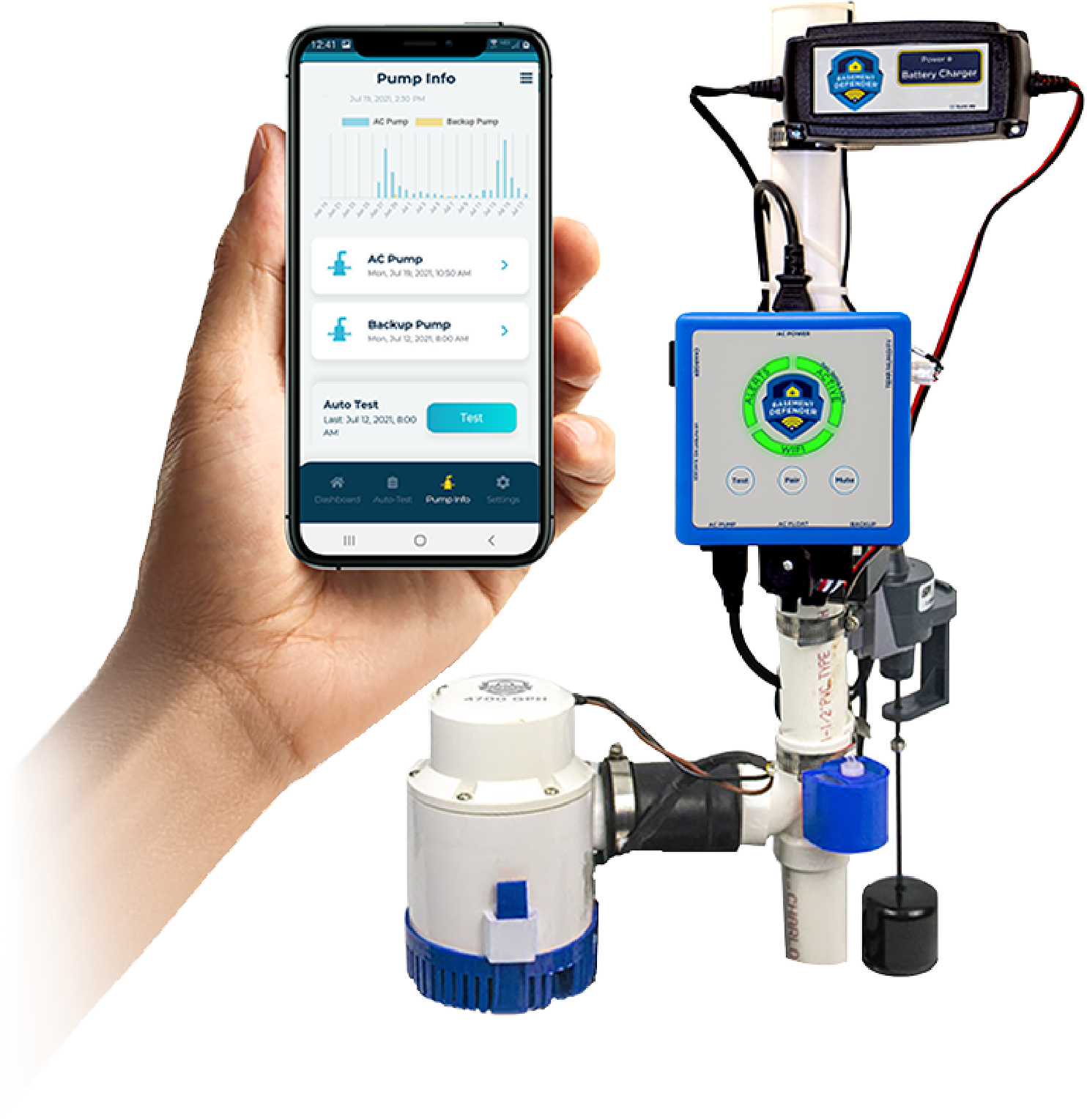
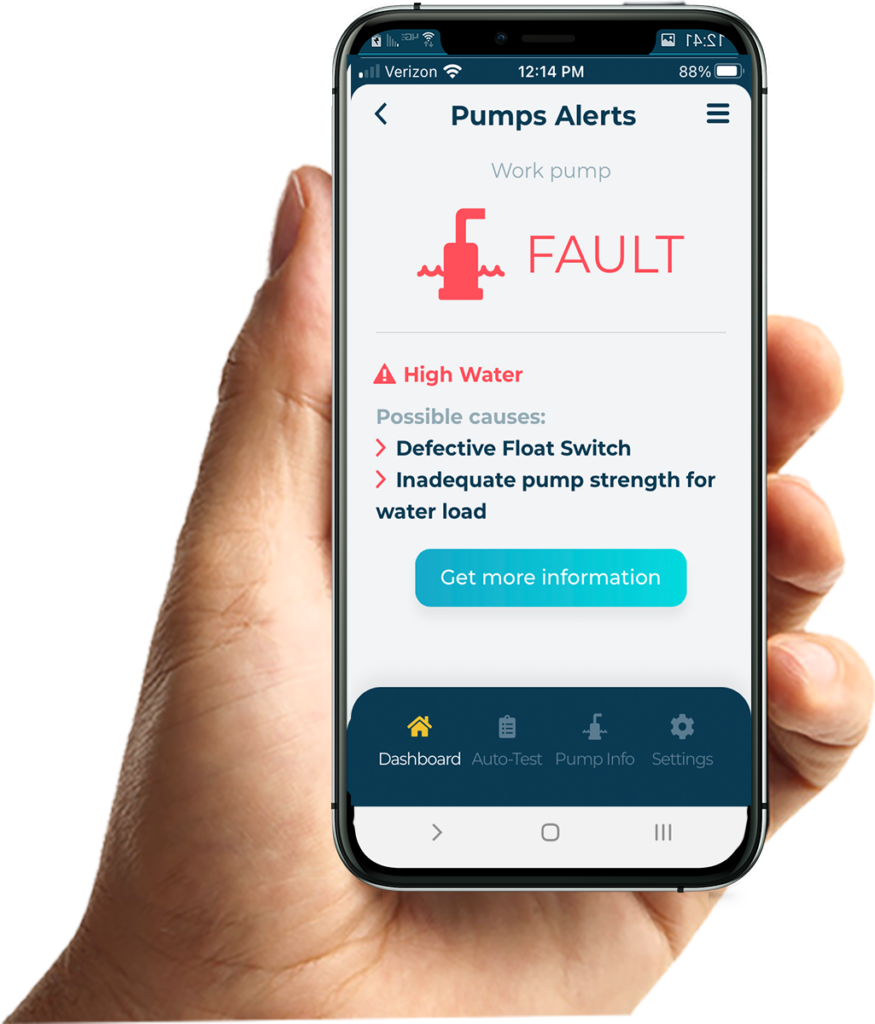
Systems like Basement Defender provide daily monitoring and alerts that notify homeowners if the pump stops working, water levels rise, or temperature conditions change.
This type of technology allows homeowners to catch potential problems early—before they turn into costly flooding events.
Testing a sump pump only takes a few minutes:
Experts recommend testing your sump pump every three to four months and before seasons with heavy rain or snowmelt.
Most sump pump failures happen when homeowners least expect them—during heavy rain or snowmelt.
With modern monitoring systems like Basement Defender, homeowners can receive daily system checks and instant alerts if their sump pump stops working or water levels rise.
Instead of discovering a problem after your basement floods, monitoring technology allows you to catch issues early and take action before damage occurs.
If you want to learn more about protecting your basement, consider adding a sump pump monitoring system that provides continuous protection and peace of mind.
Educational Sources (.edu)
• University of Minnesota Extension – Basement moisture and water management
https://extension.umn.edu
• University of Illinois Extension – Preventing basement moisture problems
https://extension.illinois.edu
Government Sources (.gov)
• Federal Emergency Management Agency (FEMA) – Flood preparation guidance
https://www.fema.gov
• Environmental Protection Agency (EPA) – Mold and moisture control in homes
https://www.epa.gov/mold
Insurance Industry Sources
• Insurance Information Institute – Water damage and homeowner insurance coverage
https://www.iii.org
• Travelers Insurance – Preventing water damage in homes
https://www.travelers.com

Use code BDFREESHIP26 at checkout to get FREE shipping