How to Pick the Right Sump Pum...

How to Pick the Right Sump Pump 

Selecting the right sump pump is essential to protecting your home from water damage. A properly sized and configured system can prevent costly repairs, mold growth, and structural issues. This guide outlines the key factors to consider when choosing a sump pump. 

1. Evaluate Your Basement Conditions 

Start by understanding your home’s risk level: 

  • Occasional moisture vs. frequent flooding 
  • High water table or heavy rainfall area 
  • How high and long is your discharge line 

Homes with a history of water intrusion or basements with high ceilings or long discharge lines should prioritize higher-capacity pumps and backup systems. 
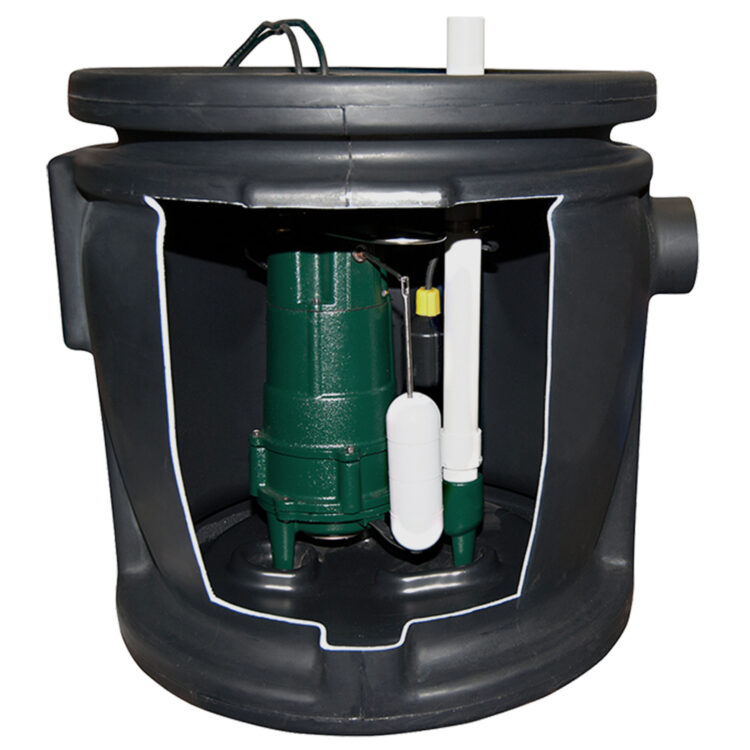
2. Choose the Appropriate Pump Type 

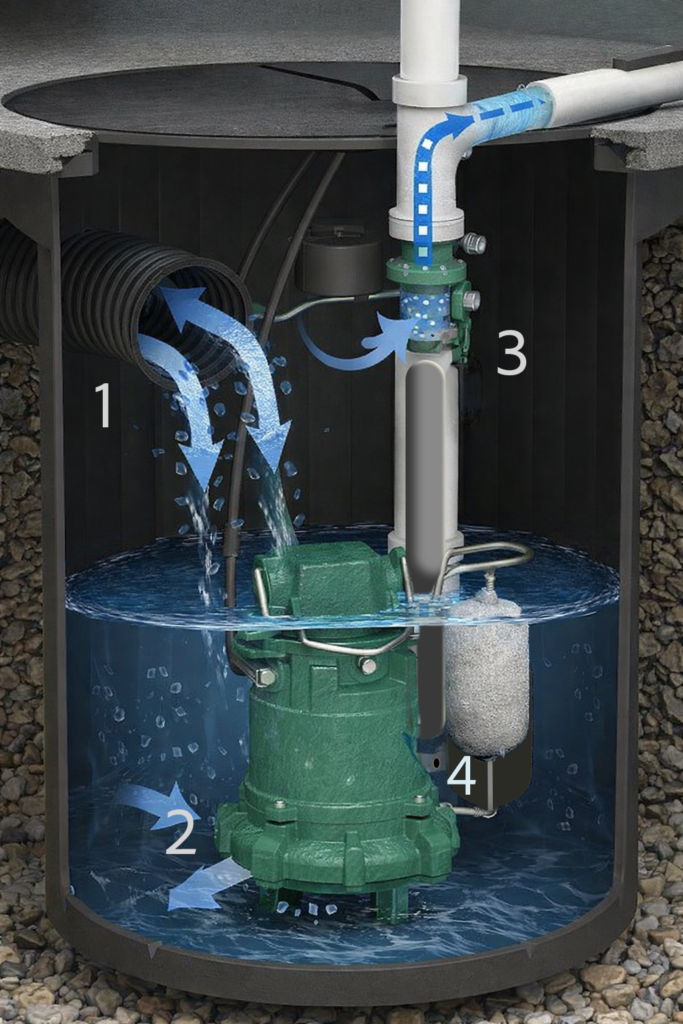
Submersible Sump Pumps 
  • Installed inside the sump pit and operates underwater 
  • Quieter operation 
  • Typically more powerful and durable 
  • Recommended for most residential applications 
 

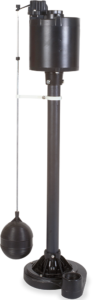
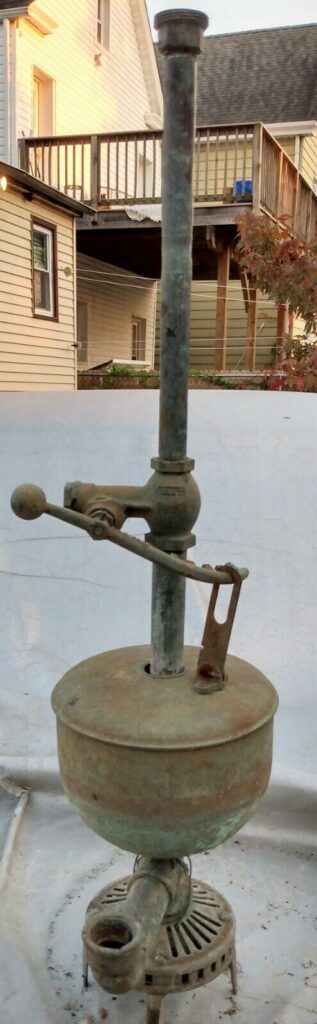
Pedestal Sump Pumps 

  • Antiqueted 
  • Motor is mounted above the sump pit 
  • Easier to service 
  • Generally less expensive 
  • Louder and less powerful than submersible models 

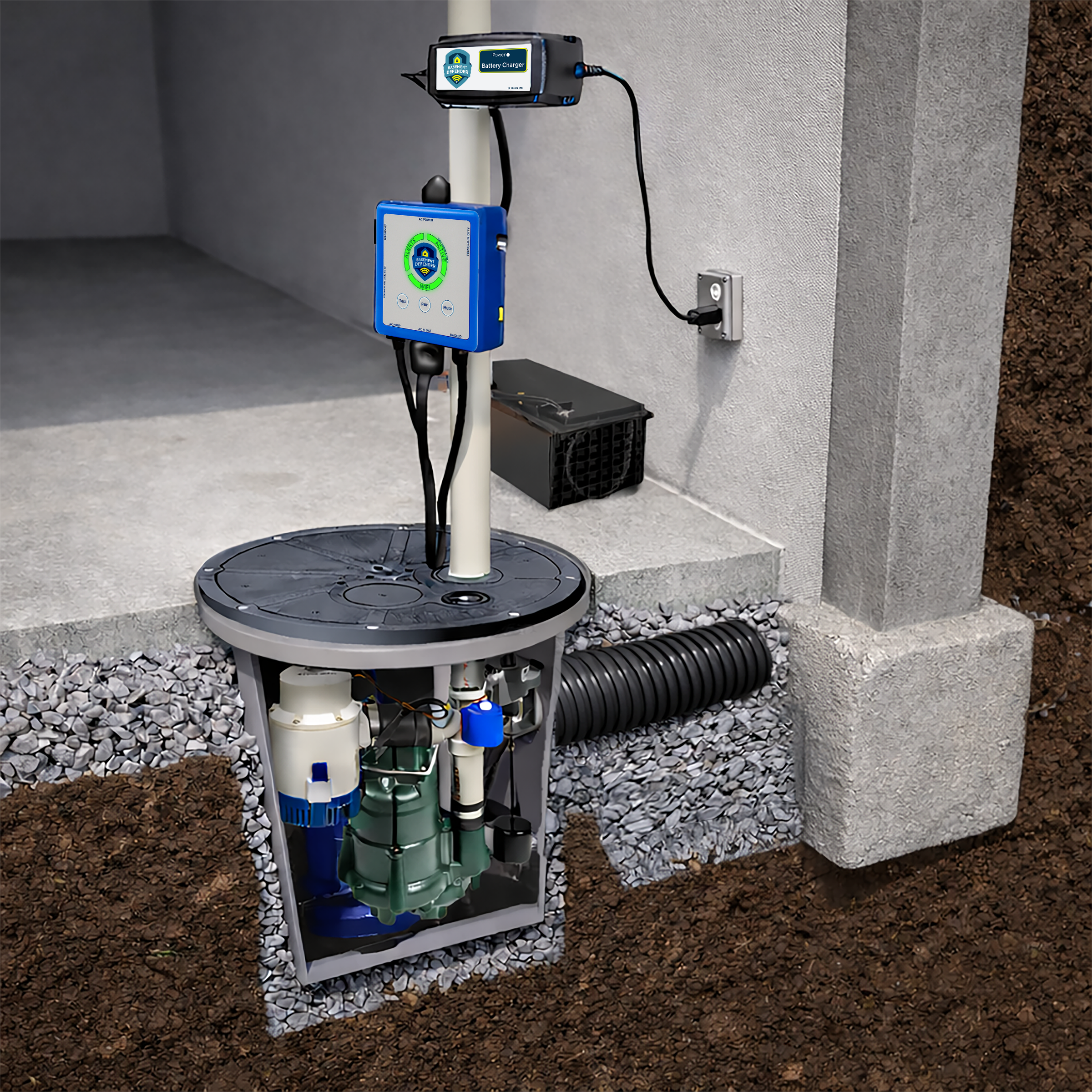
    3. Ensure Backup Protection 

    Power outages often occur during severe storms when sump pumps are needed most. Backup options include: 

    • Battery backup systems: Automatically activate during power failure 
    • Water-powered backup systems: Use municipal water pressure (where permitted) 

    A backup system is strongly recommended for all homes at risk of flooding. 

    4. Select the Correct Pump Size 

    Pump performance should be based on gallons per hour (GPH) at your home’s vertical lift (head height)

    Typical guidelines: 

    • 1/3 HP: Light water conditions/less noisy, but will run longer 
    • 1/2 HP: Standard residential use 
    • 3/4 HP or higher: High water volume or frequent flooding 

    Always review performance at 8–10 feet of head, as this reflects real-world conditions more accurately than manufacturer ratings at zero lift. Manufacturers ratings can be deceptive- let the buyer beware of claims made. 
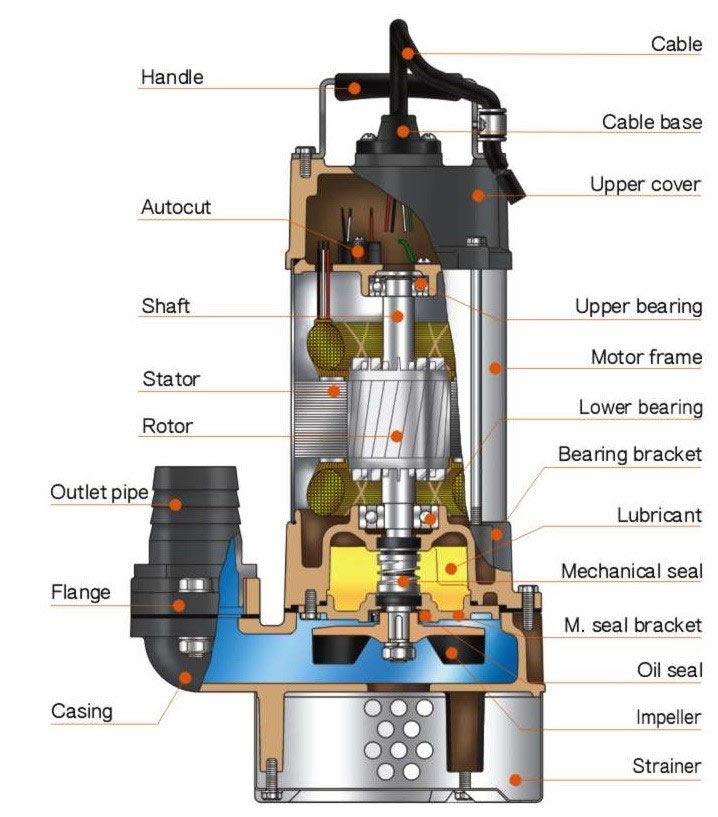
    5. Consider Build Quality and Materials 

    • Cast iron pumps: Better heat dissipation and longer lifespan- more expensive  
    • Thermoplastic pumps: Lower cost, lighter weight, shorter lifespan – inexpensive 

    For long-term reliability, cast iron is generally preferredHowever beware all pumps will fail at some point no matter how good your pump is. 

    6. Verify System Components 

    A sump pump system should include: 

    • Check valve: Prevents discharged water from flowing back into the pit 
    • Proper discharge line: Directs water safely away from the foundation 
    • Sealed sump lid: Reduces humidity and improves safety 
    • Reliable float switch: Ensures consistent activation 

    7. Test the System Regularly 

    Routine testing ensures the system will function when needed. 

     Recommended testing steps: 

    • Pour water into the sump pit to trigger the pump 
    • Manually confirm the float switch activates properly 
    • Verify water is discharged outside the home 
    • Test backup system operation 

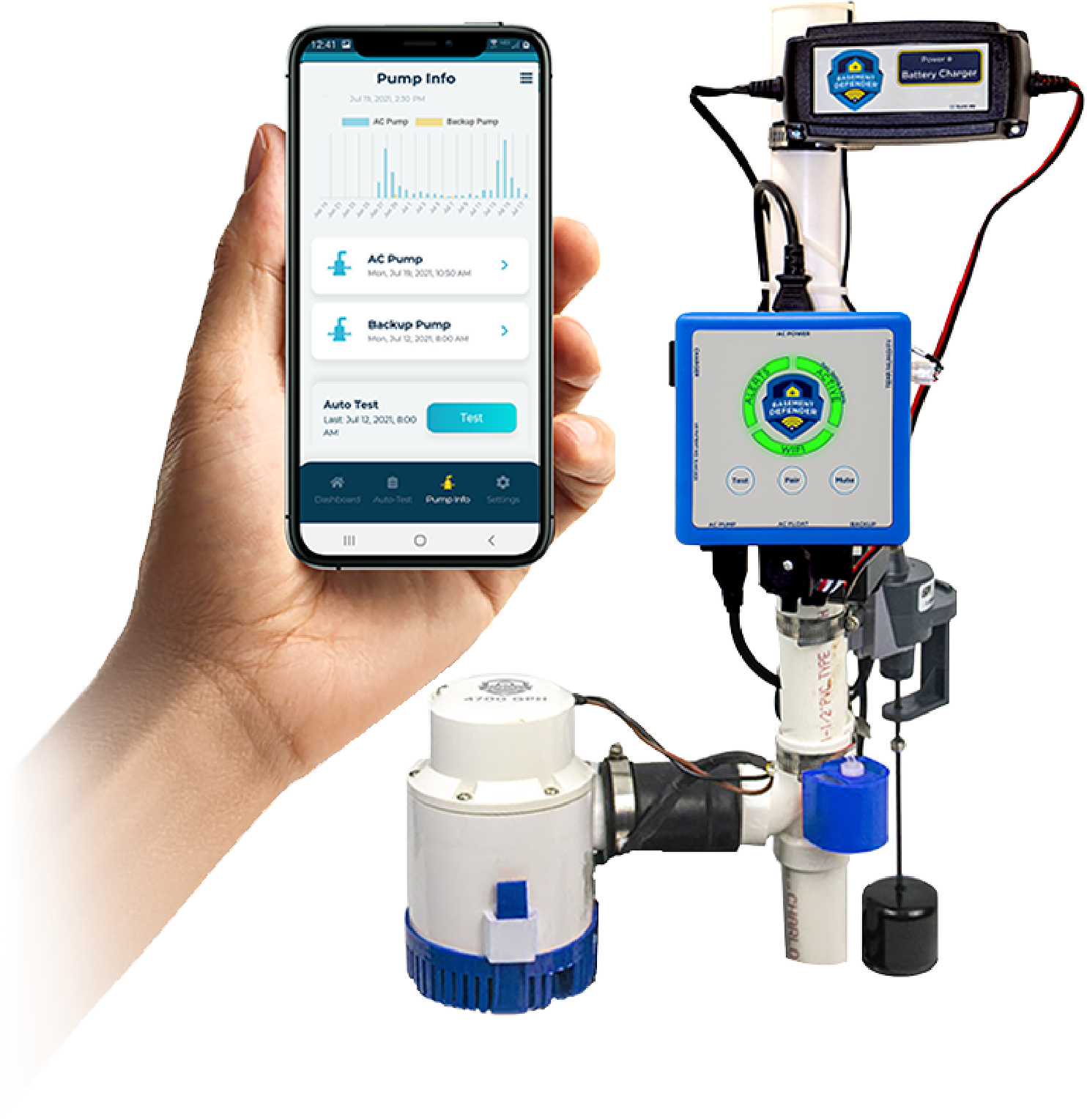
    8. Consider Smart Monitoring Systems 

    Modern sump pump systems can provide: 

    • Real-time alerts for pump or power failure 
    • Battery status monitoring 
    • Remote access and testing capabilities 

    Step 8: Installation Matters (A Lot) 

    Even the best pump fails if installed wrong. 

    Key details: 

    • Proper check valve (prevents water backflow) 
    • Correct discharge line angle 
    • Airtight lid (reduces humidity + odors) 
    • Dedicated power outlet for each AC Pump Installed 

    Build a System, Not a Single Point of Failure 

    Spend as much as you can afford – This is not the place to be inexpensive. A flooded basement can be very costly and your insurance may not cover everything. 

    A sump pump alone is not protection. 

    A real system includes: 
    • Primary pump 
    • Backup pump 
    • Battery 
    • Proactive Monitoring 
    • Regular testing 

    Go Smart (Proactive Beats Reactive) 

    Spend as much as you can afford – This is not the place to be inexpensive. A flooded basement can be very costly and your insurance may not cover everything. 

    Most systems only alert you after failure. 

    Modern systems: 
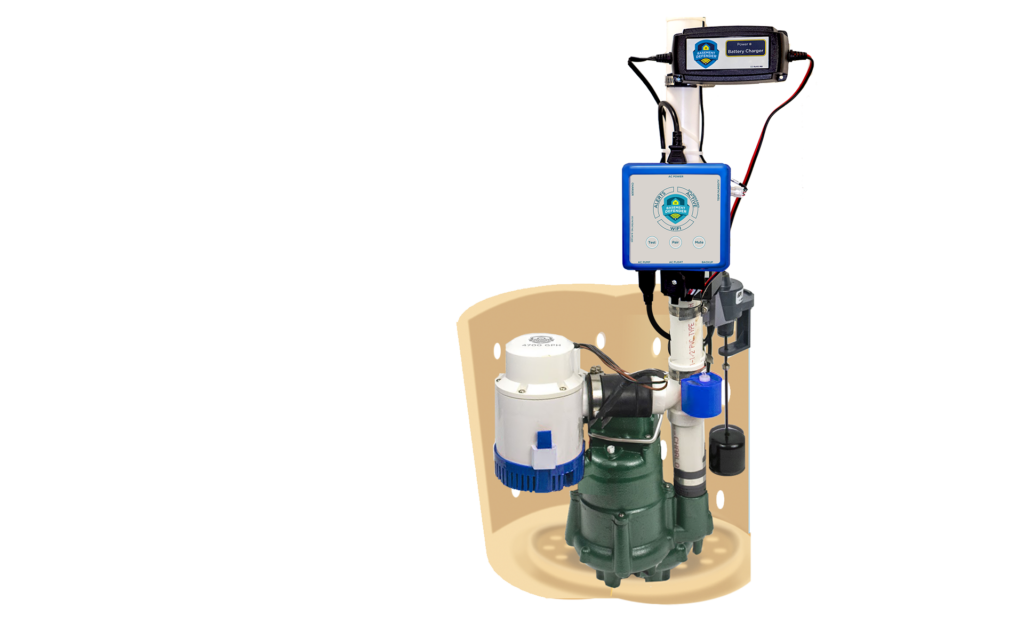
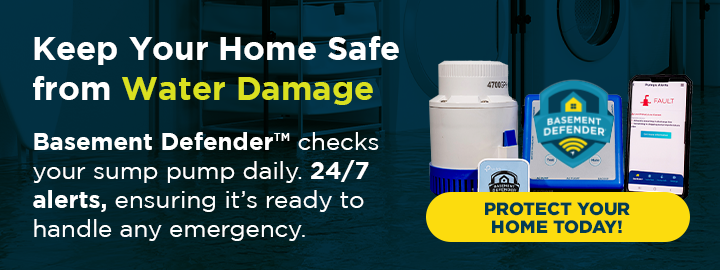
    • Tests itself every day 
    • Monitors pumps, battery, and power 
    • Send real-time alerts 
    • Allow remote testing 

    Conclusion 

    Choosing the right sump pump involves more than selecting a model. It requires building a complete system designed for your home’s specific conditions. 

    A reliable setup includes: 

    • A properly sized primary pump 
    • A battery backup system or generator if you have power outages 
    • Quality components 
    • Regular testing and monitoring 

    Proactive planning and maintenance are the most effective ways to prevent basement flooding and protect your home. 

    https://www.fema.gov/node/356171 

     https://www.tinleypark.org/government/departments/public_works/water_and_sewer/sump_pump_guide.php 

     https://www.reducefloodrisk.org/mitigation/install-a-sump-pump-with-secondary-power-source/ 
    Roy Spencer - President of Basement Defender

    Roy is a respected authority in the waterproofing industry, with over 40 years of experience under his belt. His company, Perma-Seal, has earned a reputation as Chicagoland’s premier waterproofing contractor, thanks to Roy’s unwavering commitment to quality, integrity, and customer satisfaction.

    His latest innovation, the Basement Defender, is a testament to his dedication to providing homeowners with the best possible protection against basement flooding, representing a major leap forward in the industry’s efforts to prevent water damage and save homeowners from costly repairs.