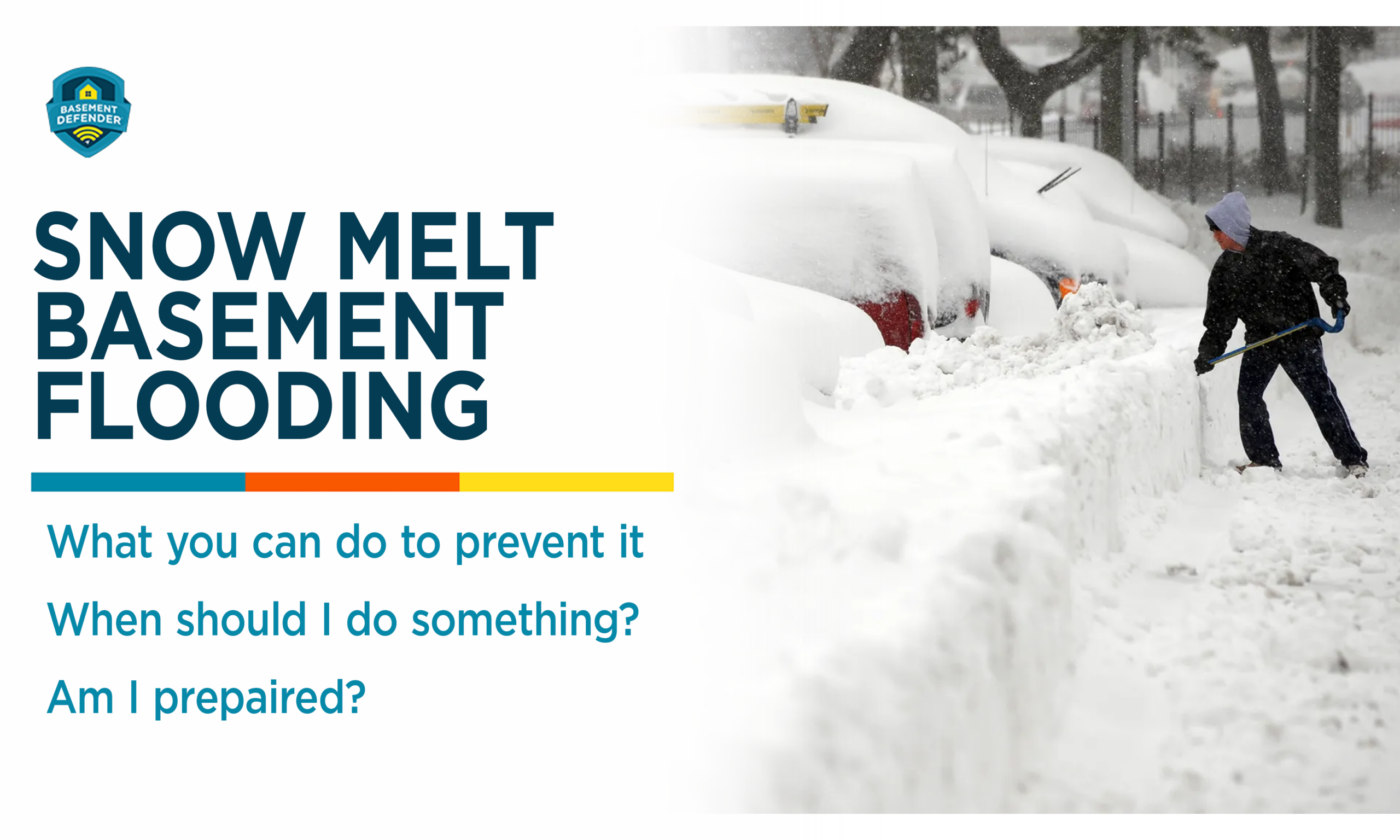
When winter loosens its grip, the melt begins. Icicles drip. Snowbanks shrink. The air smells like spring.
But beneath that postcard moment, thousands of gallons of water are quietly on the move. Welcome to the snowmelt flooding season.
A snowmelt flood happens when melting snow becomes the primary source of floodwater.
Unlike rain, which hits the ground and immediately starts flowing or soaking in, snow acts like a frozen reservoir. It stores water for days, weeks, even months. When temperatures rise, that stored water releases all at once.
If the ground absorbs less water than what’s melting, the excess has only one option:
It runs.
And when it runs toward your foundation, your sump pump becomes the last line of defense.
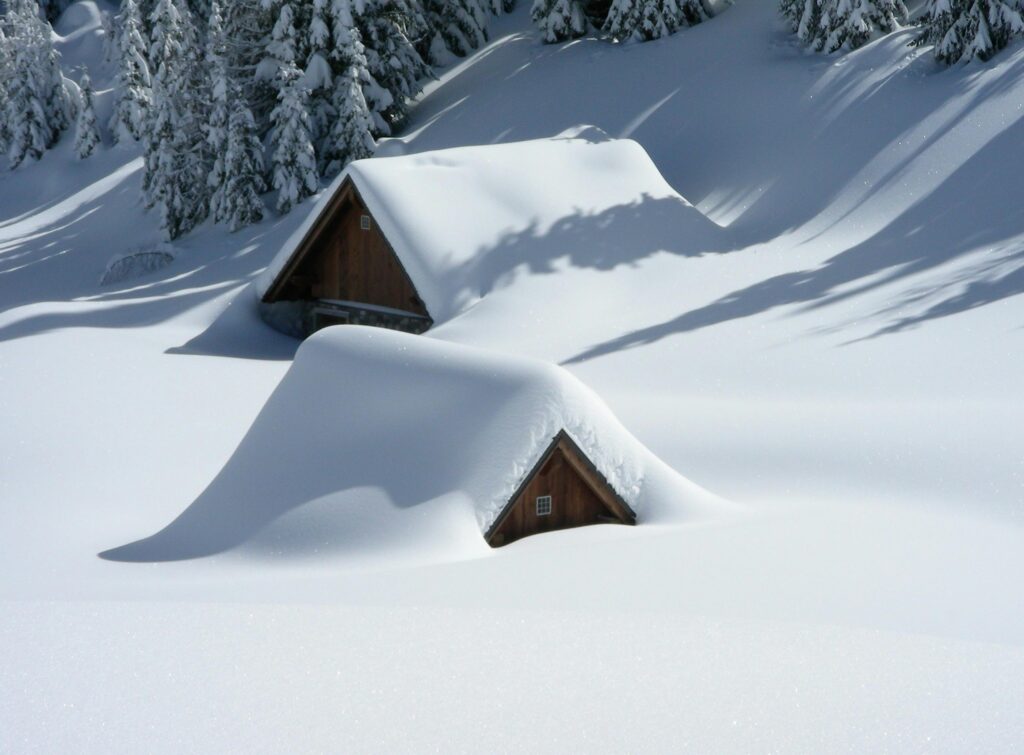
Snowmelt flooding occurs every year across the northern United States. Most events are minor and localized. But historically, some of the most destructive floods in the U.S. have been linked to snowmelt.
According to the Federal Emergency Management Agency (FEMA) and its National Flood Insurance Program, flooding is the No. 1 natural disaster in America, resulting in more than $3 billion in insurance claims annually.
Many of those losses begin during spring thaw.
Snowmelt flooding isn’t just about warm weather. It’s about conditions stacking up like dominoes.
When soil freezes, it becomes impermeable. Water cannot soak in.
Instead, it flows across the surface and often funnels toward the backfill around your home’s foundation, sometimes called the “clay bowl.” That water pressure pushes against basement walls and into sump systems.
Snow contains more water than most people realize:
That is not melting. That is liquid volume waiting to happen.
Unseasonably warm temperatures, high humidity, and rainfall accelerate snowmelt. A quick thaw can release weeks’ worth of stored water in days.
Sunny weather can be deceiving. It feels harmless. Meanwhile, groundwater is rising beneath your home.
Rain during thaw is a multiplier.
It melts snow faster and adds even more water volume to already saturated or frozen soil. When rain levels exceed normal seasonal absorption, flooding risk spikes dramatically.
If your sump discharge line is frozen or blocked with snow:
The system might be “running,” but that does not mean it is working.
Most homeowners do not connect melting snow to rising groundwater.
But here’s what happens:
Snow melts
Ground cannot absorb
Water seeks the lowest path
Pressure builds around foundation
Sump pump activates
If the pump fails, sticks, burns out, or cannot discharge water, flooding happens fast.
Spring thaws are quiet until they are not.
Preparation is everything. Here are practical flood prevention steps:
Clear Snow From Drainage Paths
Piled snow acts like a dam. Create channels toward lower elevations or storm drains so meltwater flows away from your home.
Clear Catch Basins and Grates
Remove snow from around drainage structures to prevent water from bypassing them and collecting near your foundation.
Inspect Your Sump Pump
Do not wait for heavy water to test it.
Test Your Pump
Pour water into the sump pit or lift the float manually. The pump should activate and lower the water level.
Inspect the Discharge Line
Check where it exits your home.
A running pump with a frozen discharge line is like a treadmill with no finish line.
Snowmelt flooding does not send a calendar invite. It just shows up.
Basement Defender prepares your system before the big thaw.
Instead of guessing, you know.
Instead of reacting, you prepare.
Snow stores water silently all winter. When it releases, your sump system must be ready.
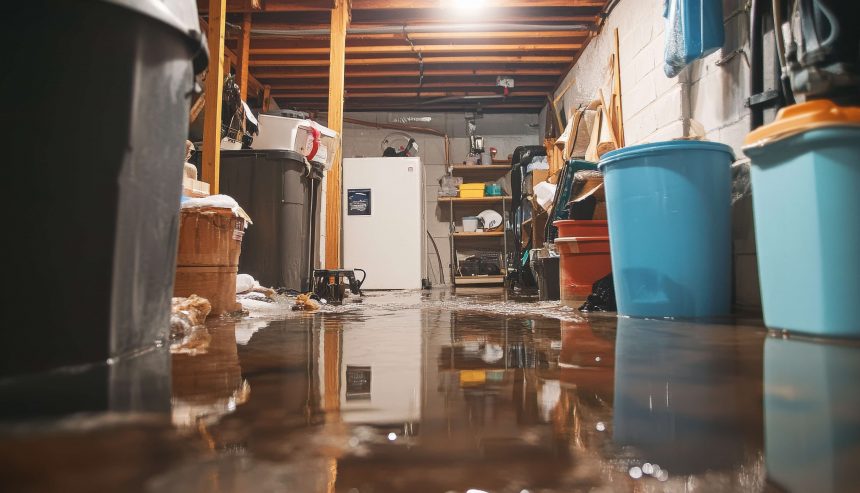
Basement Defender provides year-round peace of mind by ensuring your sump pump system is tested daily and ready to handle whatever the thaw brings.
Because when thousands of gallons start moving, hope is not a strategy.
Preparation is.


Use code BDFREESHIP26 at checkout to get FREE shipping