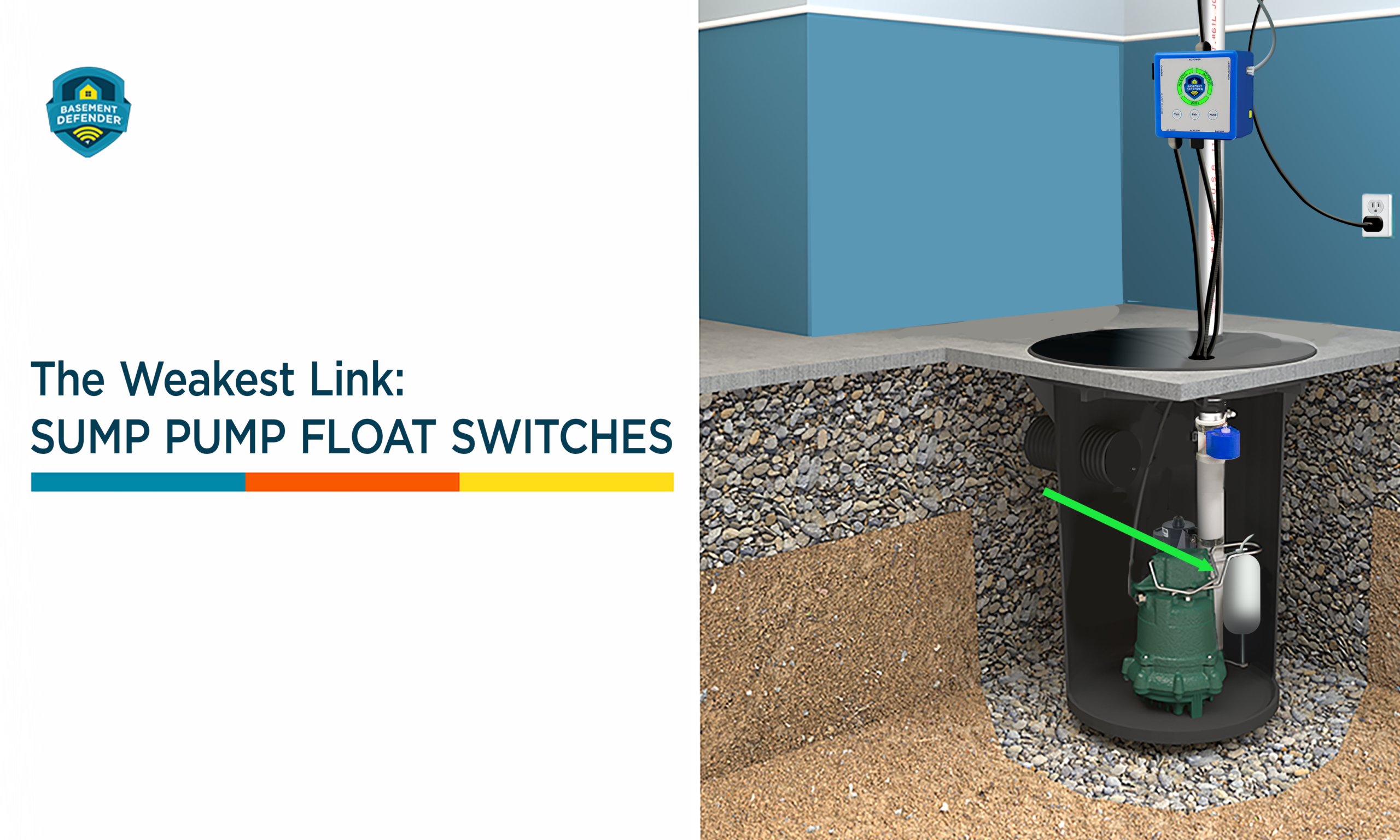
When homeowners think about sump pump failure, they often imagine a burned-out motor. In reality, one of the most common causes of sump pump failure is much smaller and easier to overlook: the sump pump float switch.
This small component controls when your sump pump turns on and off. If the float switch fails, your pump may never activate, allowing water to rise and potentially flood your basement.
A sump pump float switch is the automatic trigger that activates your pump when water reaches a certain level in the sump pit.
Here’s how it works:
This automatic cycle protects your basement during heavy rain, snowmelt, and groundwater intrusion.
According to the Federal Emergency Management Agency (FEMA), sump pumps are a critical flood-prevention tool for homes in flood-prone areas, but only when they activate properly during rising water conditions.
Most residential sump pumps use one of two common float switch designs:
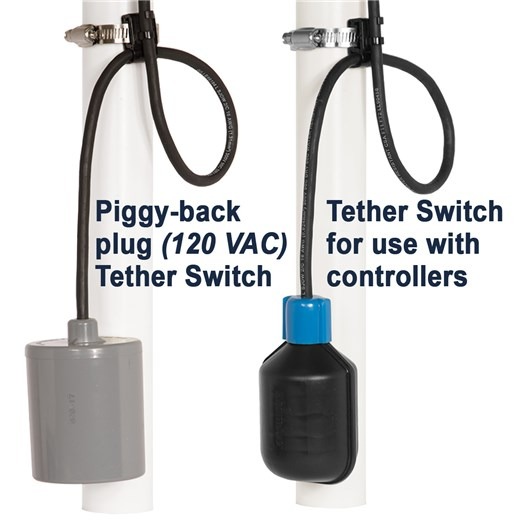
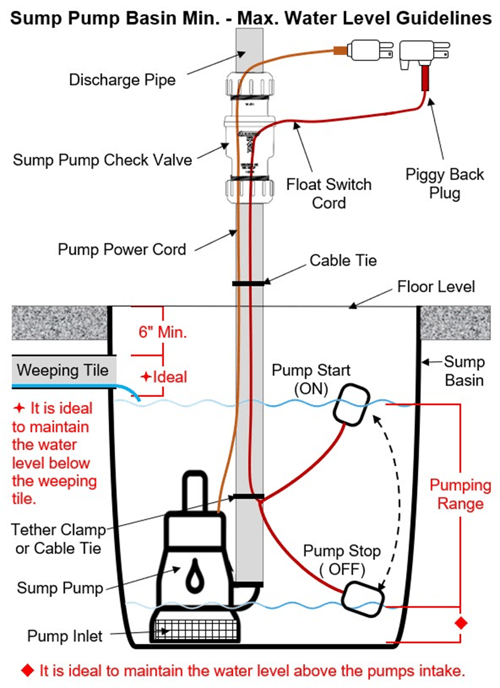
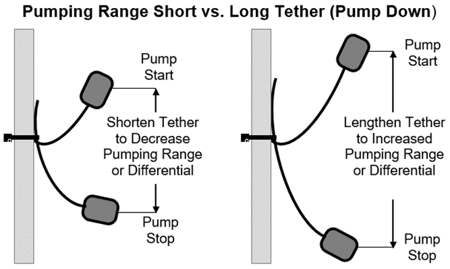
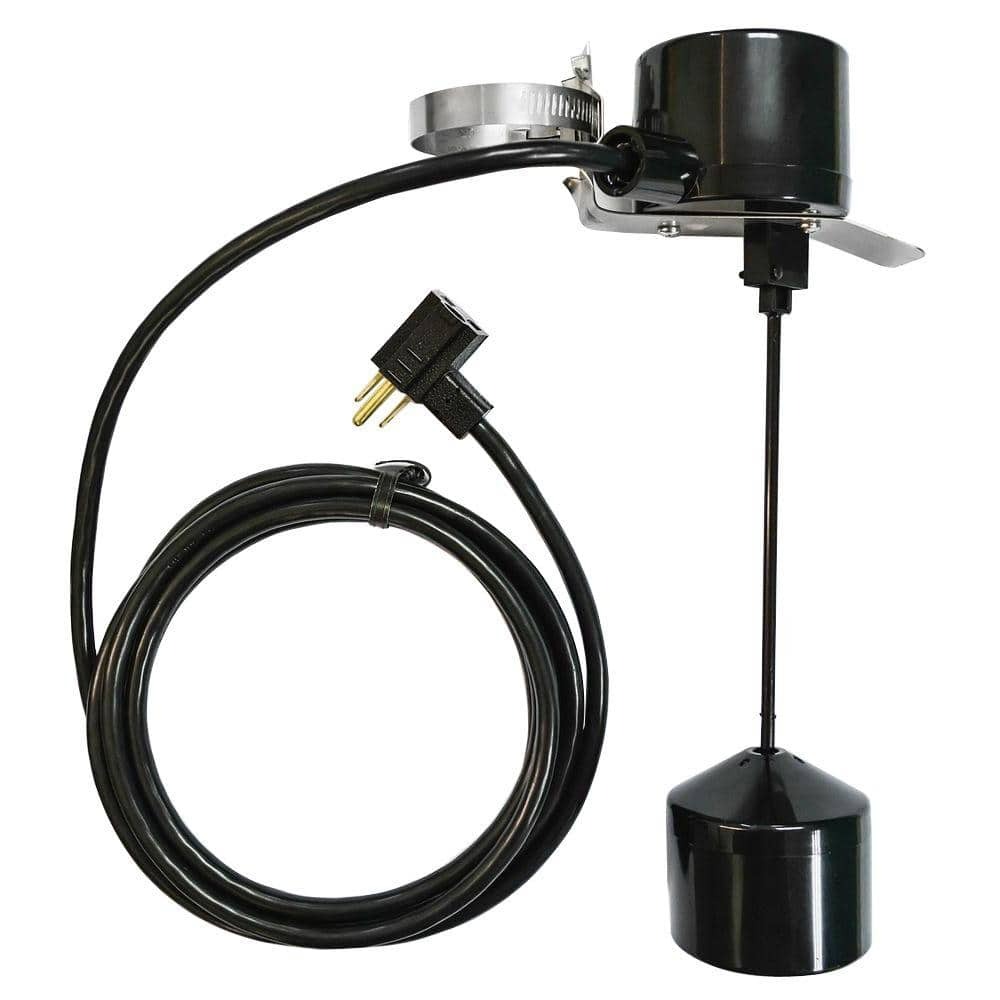
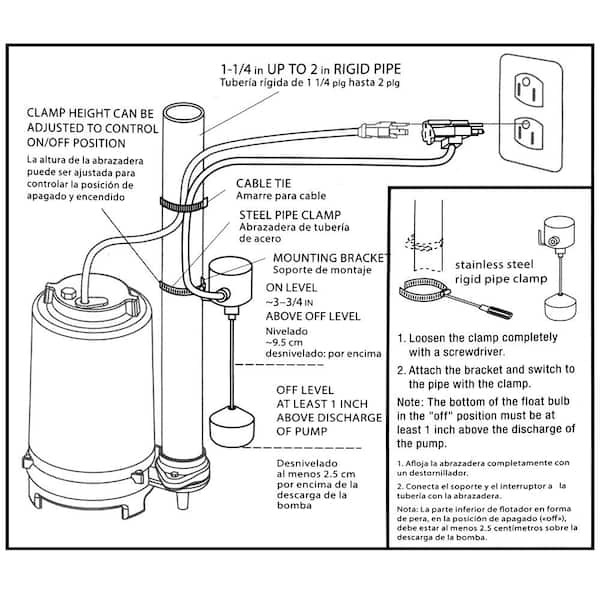
University extension programs, including Penn State Extension, note that both designs rely on free, unobstructed movement to function properly.
Float switches operate in harsh sump pit environments. Over time, several factors can prevent them from working properly:
Common causes of sump pump float switch failure include:
Guidance from the University of Minnesota Extension confirms that these issues can prevent the pump from activating when water rises.
Insurance loss-prevention data also show that sump pump and float switch failures are a leading cause of basement flooding and water damage claims. State Farm recommends routine inspection and testing as part of regular home maintenance.
Many homeowners assume their sump pump works until it’s too late. Unfortunately, float switches can fail silently.
The U.S. Environmental Protection Agency (EPA) and university housing authorities recommend regularly testing your sump pump by:
This simple test helps verify that your sump pump float switch operates correctly before a flood event occurs.
To reduce the risk of sump pump failure:
Proactive testing and monitoring can help prevent costly basement flooding.
Your sump pump motor provides the power, but the float switch controls whether your sump pump runs at all.
A properly functioning float switch is essential to protecting your home from water damage.
Small component. Critical protection.


Use code BDFREESHIP26 at checkout to get FREE shipping