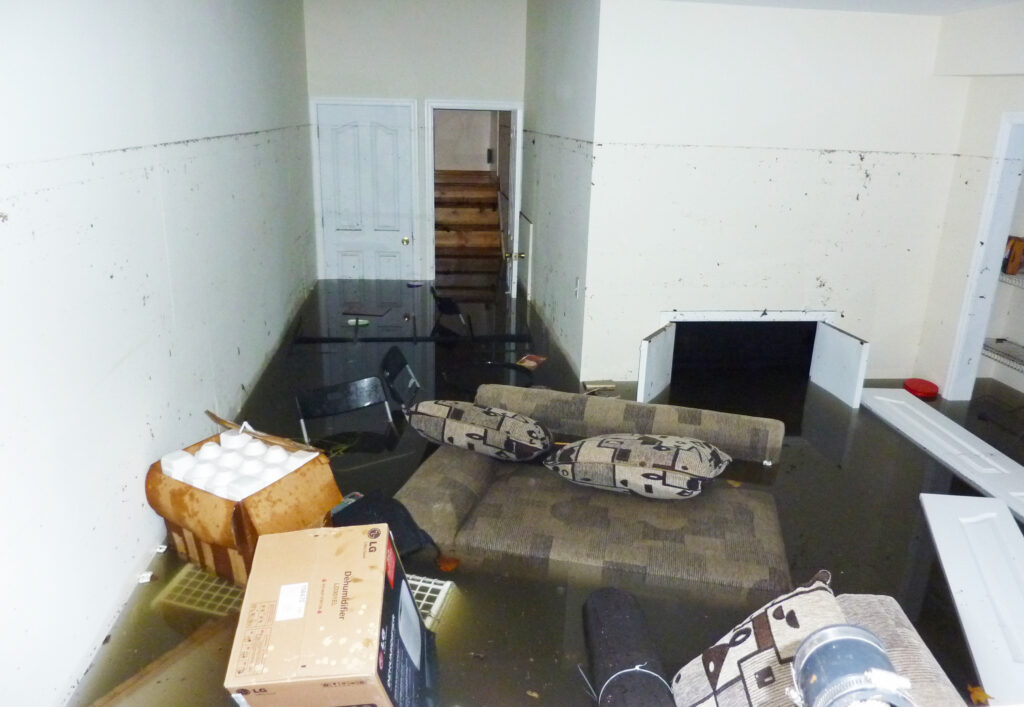
A sump pump is designed to protect your basement from flooding by pumping groundwater away from your home’s foundation. But sometimes homeowners notice a frustrating problem: the sump pump motor runs, yet the water level in the pit doesn’t go down.
This issue can lead to basement flooding, foundation damage, and mold growth if not addressed quickly.
In this guide, we’ll explain why a sump pump runs but doesn’t remove water, how to troubleshoot the issue, and what steps you can take to prevent future problems.
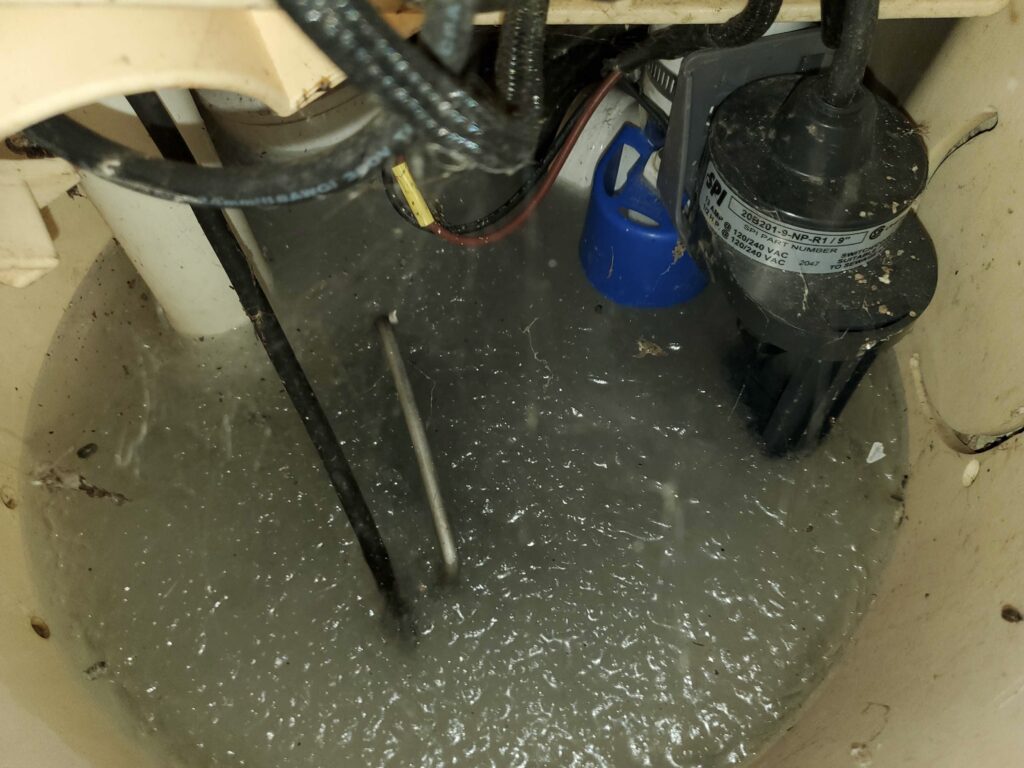
A sump pump sits in a basin or sump pit at the lowest point of your basement. When water collects in the pit, a float switch activates the pump and pushes the water through a discharge pipe away from the home.
According to the Federal Emergency Management Agency, sump pumps help prevent basement flooding by directing water away from the foundation and lowering groundwater levels. (FEMA.gov)
Many pumps rely on a float switch system, which automatically turns the pump on when water reaches a certain level and shuts it off when the pit empties.
If the pump is running but not removing water, something is preventing that process from working properly.
The discharge line carries water from the sump pump outside your home. If this pipe becomes clogged with debris, dirt, or ice, water cannot exit the system.
In colder climates, frozen discharge pipes are a common cause of sump pump failure during winter storms.
Insurance providers such as Farm Bureau Financial Services recommend ensuring that sump pump discharge pipes direct water at least 20 feet away from the foundation to prevent water from flowing back toward the house.
Signs of a clogged discharge line
How to fix it
Inside the sump pump is a spinning component called an impeller, which pushes water through the system.
If debris such as gravel, mud, or sediment enters the pump, the impeller can become clogged or damaged.
According to maintenance guidance from FEMA, homeowners should periodically inspect and clean sump pumps to remove debris that could interfere with operation.
Signs of impeller problems
How to fix it
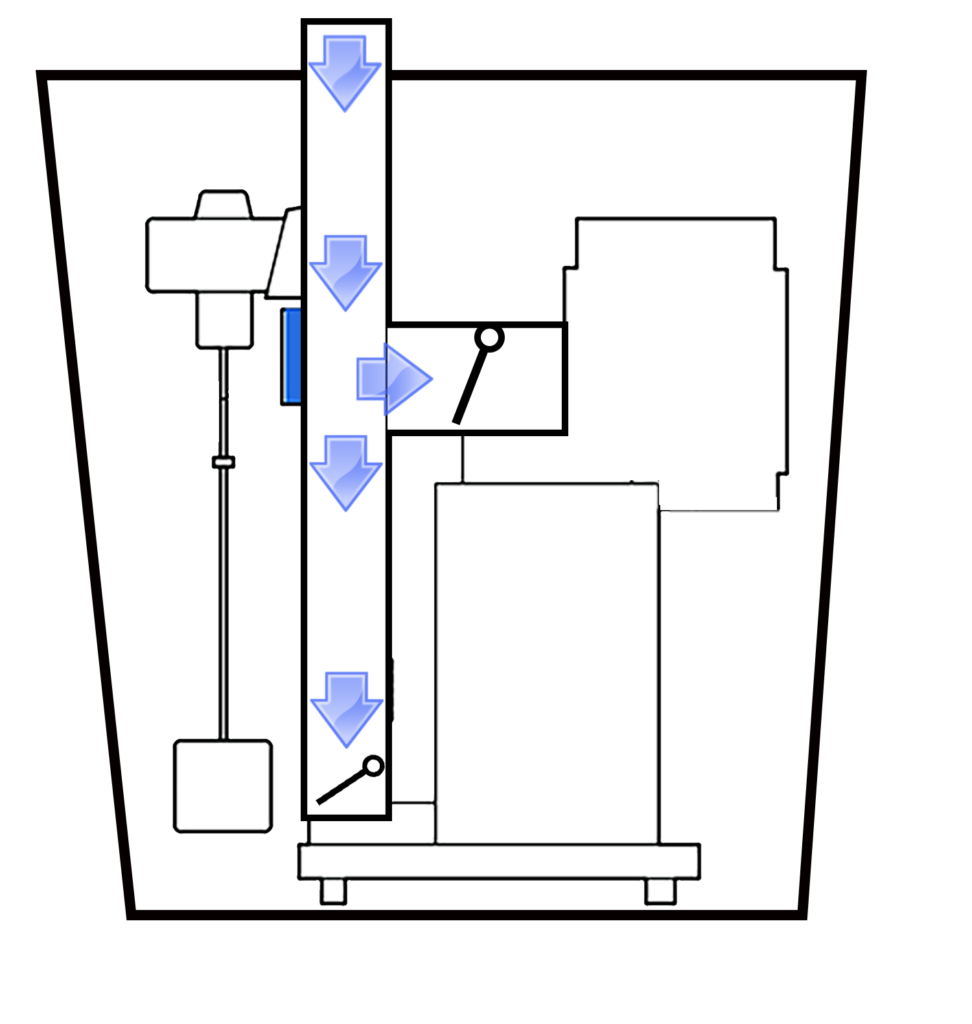
A check valve is installed in the discharge pipe to prevent water from flowing back into the sump pit.
If the valve fails or is installed incorrectly, water that was pumped out can flow right back into the pit.
This makes it seem like the pump isn’t working even though it is running.
Signs of a bad check valve
How to fix it
Over time, sump pits can accumulate dirt, sand, and debris.
If the intake screen becomes blocked, the pump cannot pull water into the system.
University extension programs recommend regular cleaning of the sump pit and pump inlet screen to maintain proper operation.
Prevention tips
Sump pumps typically last 7–10 years depending on how frequently they run.
Older pumps may still operate but lose efficiency over time, making them unable to keep up with heavy groundwater flow.
Insurance providers often recommend replacing aging pumps before they fail to avoid water damage claims.
Signs your pump needs replacement
Experts recommend testing your sump pump at least once per year.
Simple sump pump test
The Federal Emergency Management Agency recommends testing sump pumps before heavy rain seasons to ensure they function properly.
Regular maintenance can greatly reduce the risk of sump pump failure.
Maintenance checklist
Proper maintenance ensures your sump pump is ready when you need it most.
Why does my sump pump run but no water comes out?
The most common causes are a clogged discharge pipe, jammed impeller, faulty check valve, or blocked pump intake.
Is it bad if my sump pump runs constantly?
Yes. Continuous operation usually indicates a clogged line, stuck float switch, or pump that is too small for the amount of water entering the pit.
How long should a sump pump run?
Most sump pumps run for 10–30 seconds per cycle, depending on how much water enters the sump pit.
How often should a sump pump be replaced?
Most manufacturers and insurance providers recommend replacing sump pumps every 7–10 years.
Source: Federal Emergency Management Agency
Link:
Source: Federal Emergency Management Agency flood guidance
Link:
Source: Federal Emergency Management Agency maintenance guide
Link:
Source: Illinois Association for Floodplain and Stormwater Management floodproofing guide
Link:
Link:


Use code BDFREESHIP26 at checkout to get FREE shipping