Basements have a talent for disappearing from our minds. They sit quietly below the surface, out of sight, out of routine… until something goes wrong. And when it does, it rarely whispers. Moisture doesn’t knock. It seeps, lingers, and multiplies. By the time a homeowner notices the smell of mold or the shimmer of water on the floor, the problem has already taken root. The good news? Modern technology has rewritten the rules. Today’s basement systems don’t just react to problems. They anticipate them.
Not all basement moisture is created equal, yet it’s often treated as if it is.
The first type is bulk water. This is the visible intruder, groundwater pushing through walls or rising beneath the floor. Traditional waterproofing systems are built for this battle. Drain tile systems, sump pumps, and vapor barriers work together to capture and redirect water before it collects.
Then there’s the quieter threat: airborne moisture. Humidity drifts, settles, and feeds mold long before puddles appear.
And here’s where science backs it up:
Ignoring that distinction is like locking the front door while leaving the windows open.
Since most homeowners rarely visit their basements, monitoring systems have become essential. But not all monitoring is useful. Some systems simply report data. Others actively protect.
Power outages, pump failures, or heavy storms can overwhelm even a well-designed system. When that happens, the difference between a dry basement and a flooded one comes down to awareness and timing.
That’s where systems like Basement Defender stand apart.
This isn’t passive monitoring. It’s proactive protection.
The system tests the sump pump every day, verifying that it will work before it’s needed. If something fails, alerts are sent instantly to a homeowner’s phone or email.
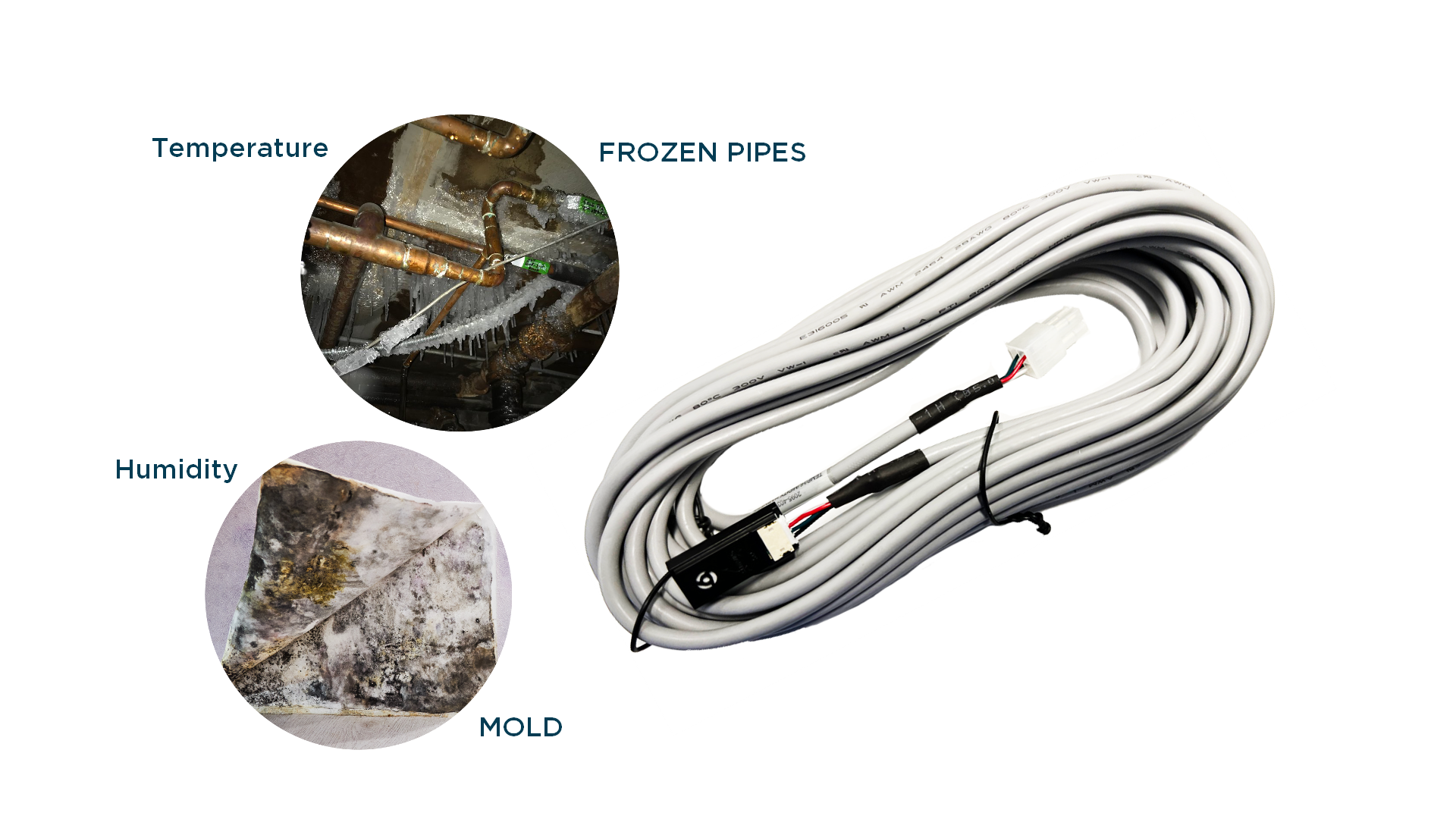
Because the system already lives in the basement, it extends beyond water protection. Integrated humidity and temperature sensors provide a full picture of the environment.
A humidistat alone is easy to ignore. A real-time alert is not.
When humidity rises above safe levels, homeowners are prompted to act before mold takes hold. That matters, because mold can begin forming within 24–48 hours of moisture exposure .
Temperature monitoring adds another layer, helping prevent frozen pipes in winter conditions
 Air Quality: The Invisible Basement Problem
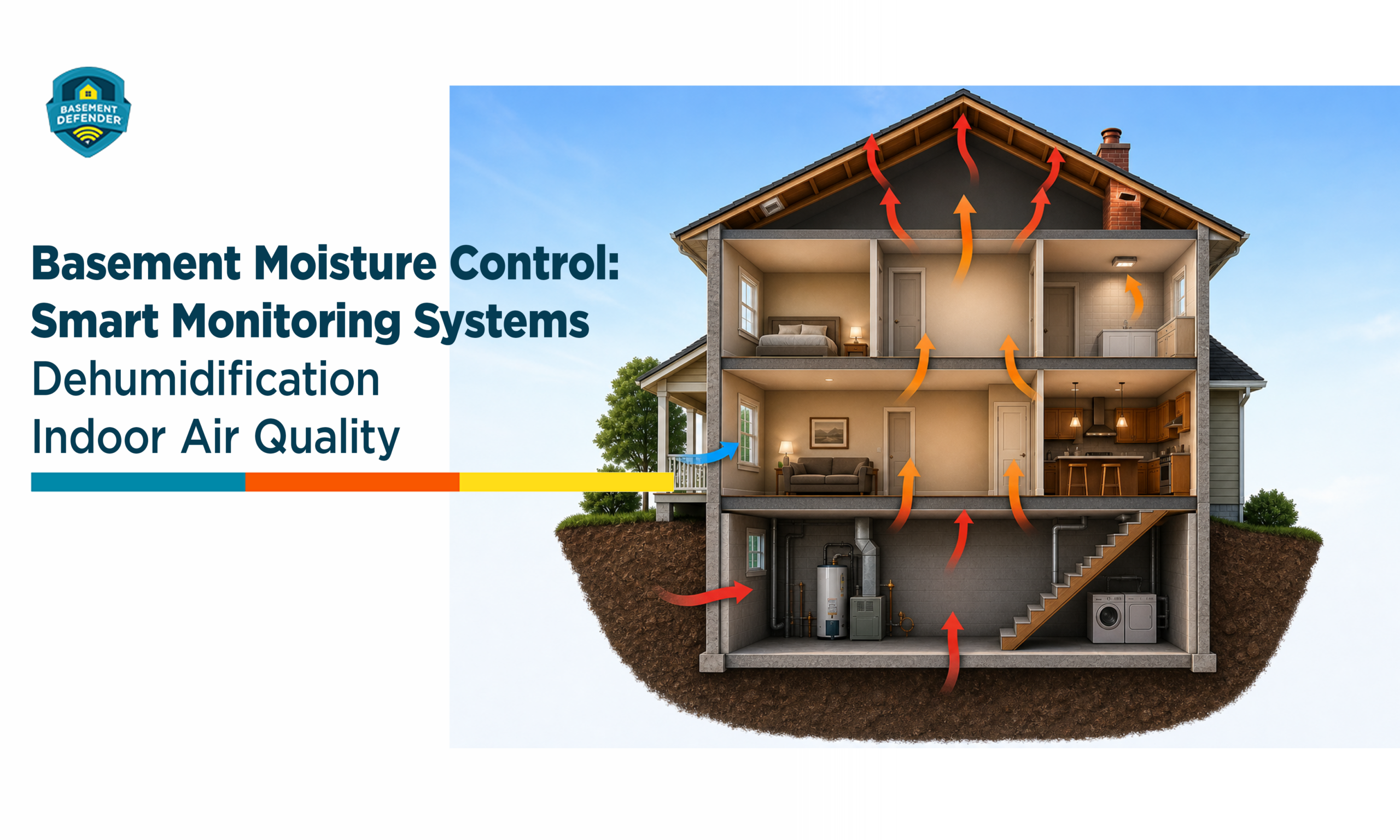
Basement air doesn’t stay in the basement. It rises, carrying whatever it holds into the rest of the home.
According to the U.S. Environmental Protection Agency, indoor air can contain pollutants such as:
Radon, in particular, is a hidden risk. The EPA recommends taking action if levels reach 4 pCi/L or higher, and even considering mitigation at lower levels .
And here’s the critical detail most homeowners miss:[Text Wrapping Break] Radon testing should be done in the lowest level of the home, including basements .
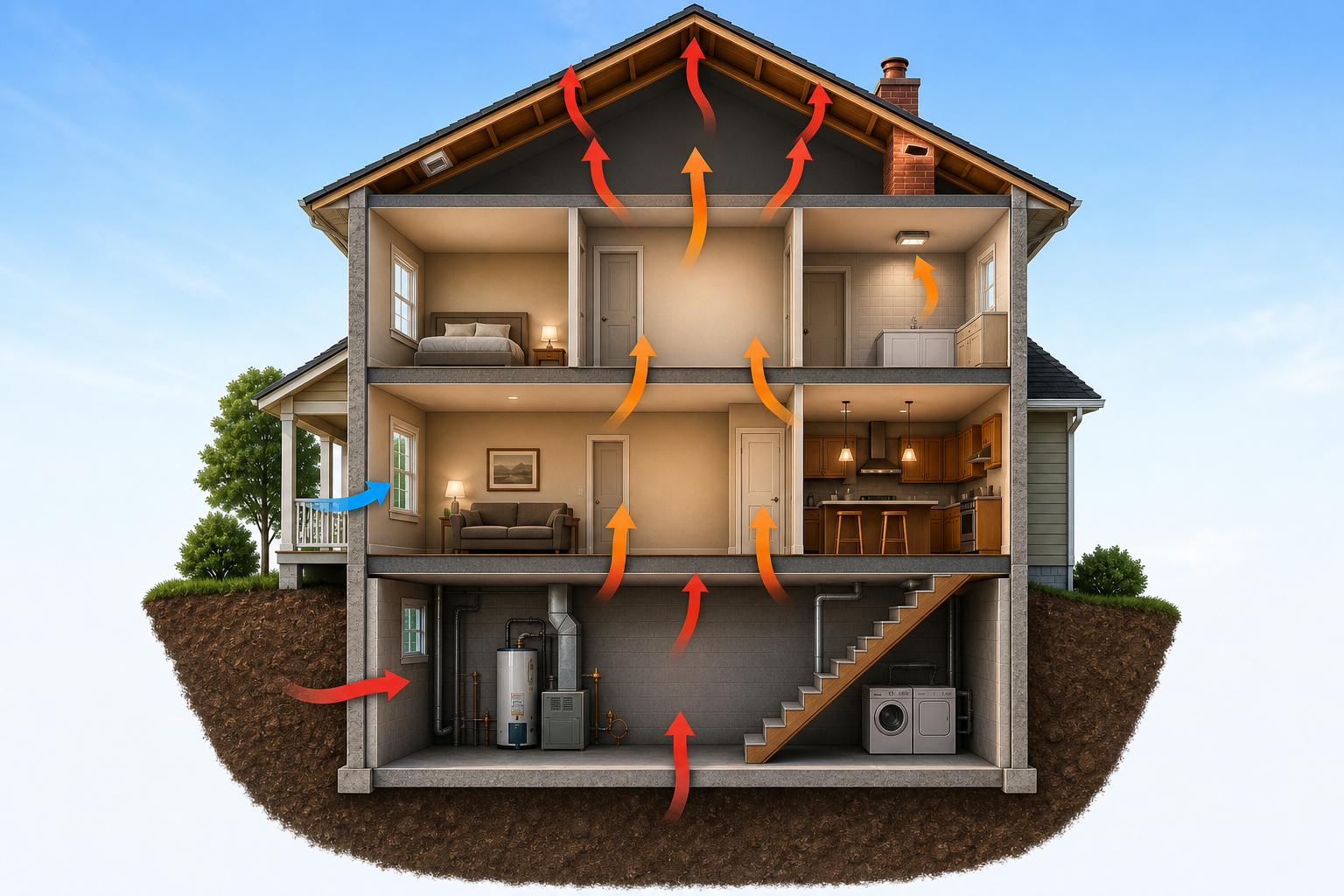
Homeowners want a basement that behaves itself. Dry. Clean. Quietly managed.
Achieving that requires addressing both sides of the moisture equation.
A reliable sump system, backed by continuous monitoring and a dependable backup pump, protects against bulk water. Even in the event of a power outage or mechanical failure, the system remains resilient.
At the same time, automated dehumidification and ventilation keep airborne moisture in check.
Mechanical ventilation systems, in particular, help introduce fresh air and reduce pollutant buildup .
A properly sized dehumidifier also plays a critical role in maintaining safe humidity levels in basements .
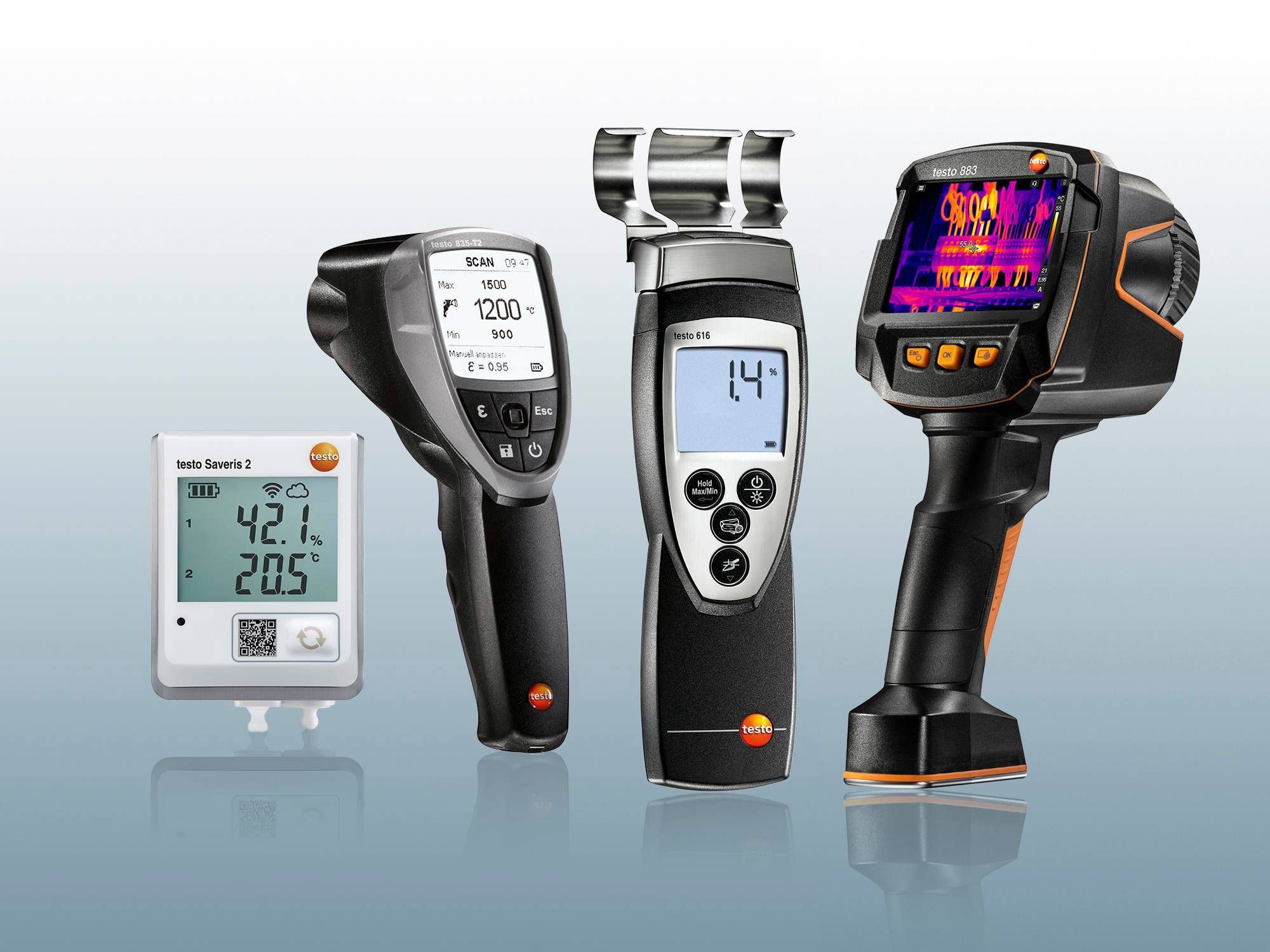
For decades, basement protection has been reactive. Water shows up, and systems respond.
Now, the model is shifting.
Smart monitoring, automated air management, and integrated systems are turning basements into actively managed environments rather than forgotten spaces.
A dry basement isn’t luck.
It’s a system that checks itself, adapts, and stays one step ahead.