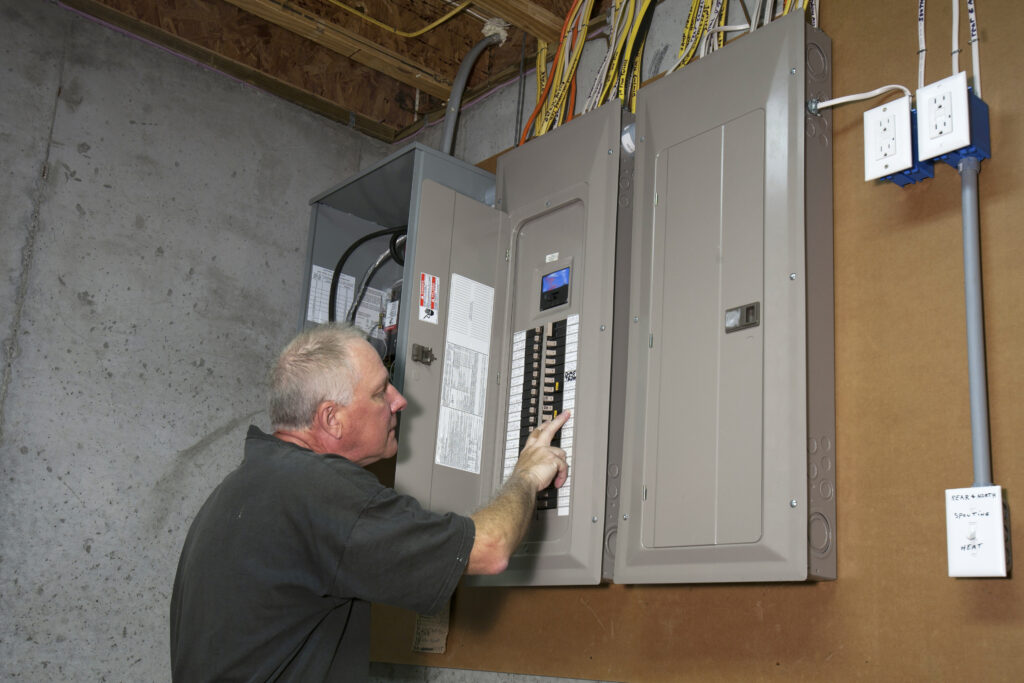
Electricity flows through your home in closed loops called circuits, made up of wires, switches, and connected devices. Each outlet and appliance is assigned to a specific circuit, all managed by your breaker panel. If an issue like an overload or short circuit occurs, the breaker shuts off power to prevent damage.
This setup keeps your home both interconnected and protected—but it also means that multiple devices are often sharing the same circuit.
In many homes, basement outlets are tied into circuits that also power other areas—like lights, refrigerators, or even entertainment systems. While this is generally safe for everyday use, problems can arise when:
When this happens, everything on that circuit loses power at the same time.
Your sump pump is one of the most critical systems in your home—especially during heavy rain or flooding conditions. A monitoring system like Basement Defender is designed to alert you the moment something goes wrong.
But here’s the problem:
If your monitoring system is plugged into a shared outlet and that circuit trips, your monitor loses power right along with everything else.
That means:
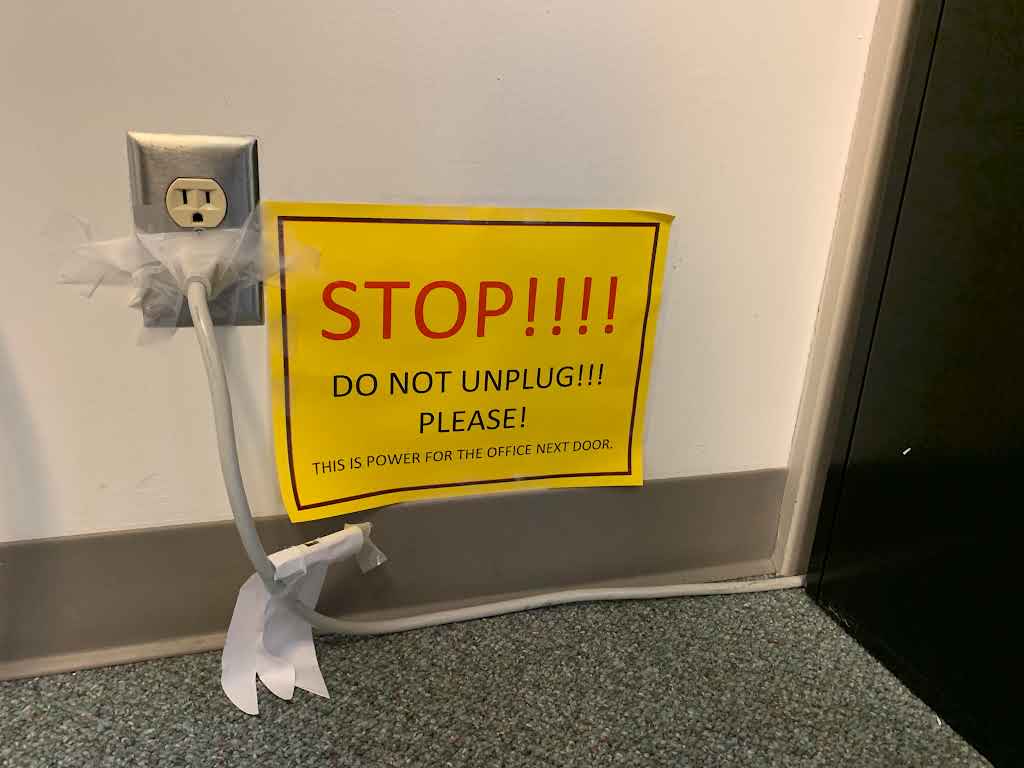
With Basement Defender, you’re not completely in the dark if power is lost. The system is designed to send an automated alert if it becomes disconnected for approximately two hours.
This is a valuable safety feature—but it’s important to understand the timing:
In other words, the system will notify you—but only after a delay if it loses power.
A dedicated outlet means your monitoring system is on its own circuit, separate from other appliances and devices. This provides:
Instead of relying on a delayed alert after a disconnection, a dedicated outlet helps prevent the disconnection from happening in the first place.
Basement flooding can happen quickly and without warning. Your sump pump does the heavy lifting, but your monitoring system is what keeps you informed and in control.
Making sure it has a dedicated outlet is a small step that can make a huge difference in preventing costly damage.
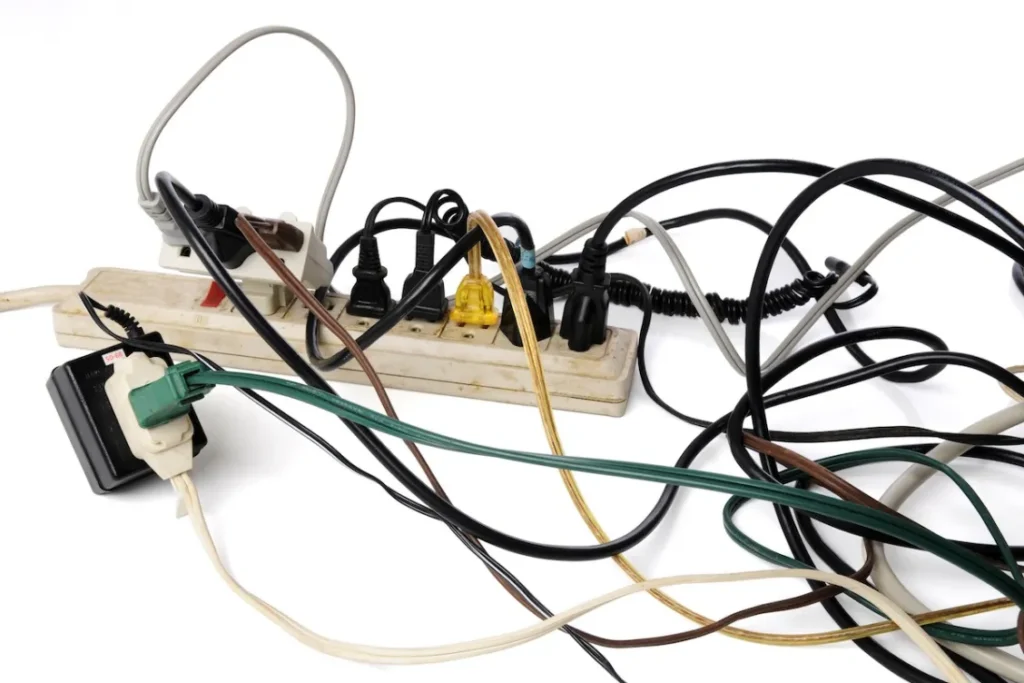
Your home’s electrical system is designed for safety and efficiency, but not all outlets are created equal—especially when it comes to critical equipment.
While Basement Defender provides an automated alert if power is lost for two hours, the best protection is making sure it never loses power to begin with.
A dedicated outlet helps ensure your system stays active, connected, and ready to protect your home when it matters most.
Need help setting up your Basement Defender system the right way?
Reach out today and make sure your home is fully protected.